Seasonal Air Quality Checklist for Missouri Homeowners: Fall & Winter Edition
Fall and winter in Missouri mean cooler weather, tighter homes, and more time indoors. That combination concentrates dust, combustion byproducts, humidity swings, and soil gases like radon. The good news: a focused weekend of maintenance plus a few professional visits can keep your air healthier all season.
Use this checklist as a room-by-room and system-by-system pass through your home. Check items off as you go, and schedule anything you cannot safely handle yourself.
HVAC Filters and System Basics
Dirty filters restrict airflow, stress equipment, and let fine dust recirculate.
- Inspect filters monthly during heating season; replace at least every 90 days
- Upgrade to a MERV 8 to 13 filter that matches your system's specifications (never exceed what your HVAC manual allows)
- If you have pets or allergies, plan on more frequent changes
- Note unusual odors when heat kicks on. Dust on coils or damp duct sections may need attention
Clean filters support both air quality and energy efficiency, which matters when Missouri electric and gas bills spike in January.
Air Duct Cleaning: Timing It Right
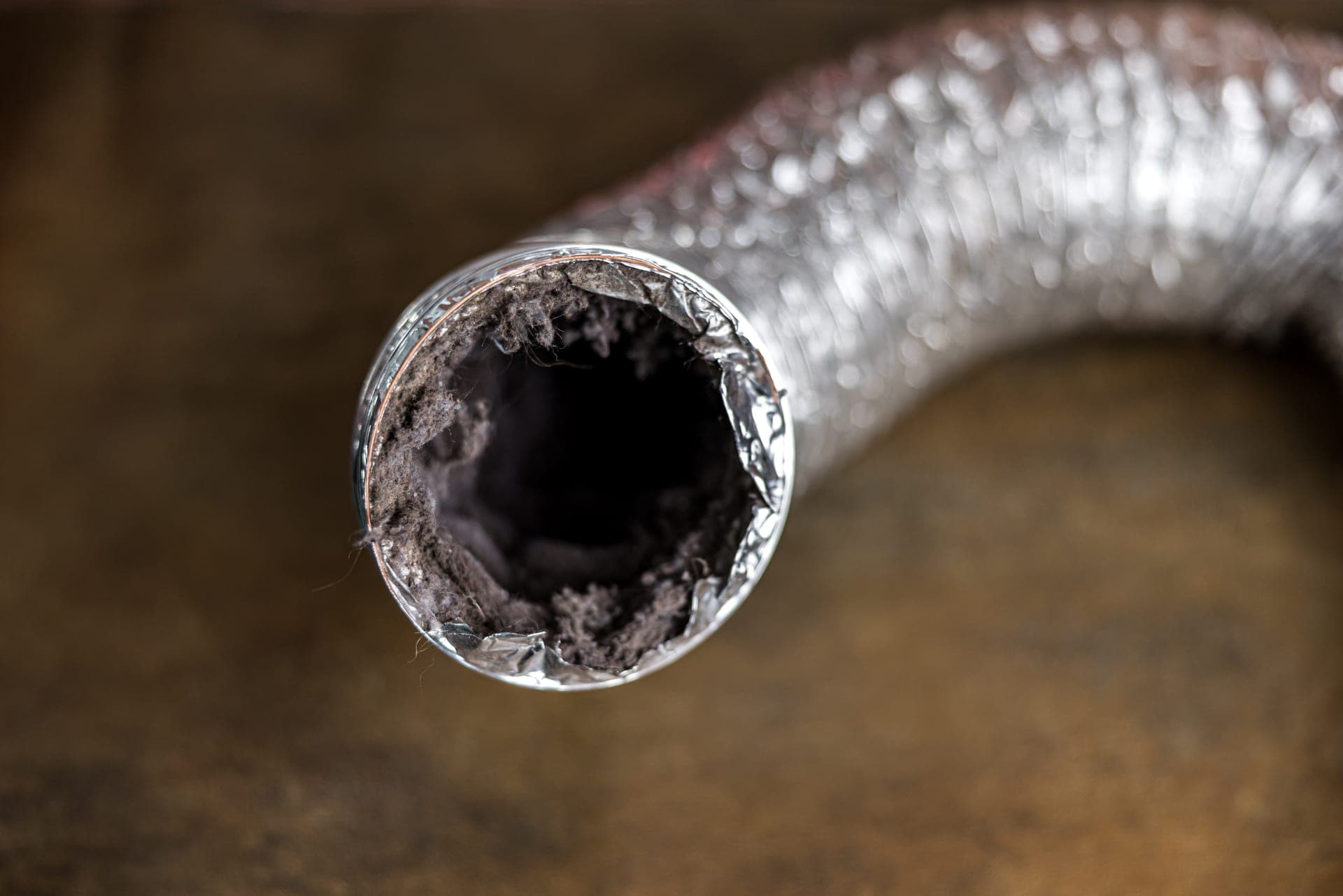
After a humid Missouri summer, supply and return plenums often hold a mix of dust, pollen, and skin dander. Fall is a practical time for professional air duct cleaning because you are about to spend months with windows closed.
The National Air Duct Cleaners Association (NADCA) suggests cleaning every 3 to 5 years for most homes, sooner if you renovated, added pets, or see debris at registers. A proper cleaning includes agitation, containment, and inspection, not a coupon special that only vacuums registers.
Radon Testing in Heating Season
Radon is a year-round concern, but winter readings often run higher when homes are sealed and the stack effect pulls more soil gas through the foundation.
- If you have not tested in 2 to 5 years, schedule a test
- Retest after major basement finishes, foundation work, or HVAC changes
- If you already have a mitigation system, confirm the manometer shows the fan is drawing as designed
Professional testing removes guesswork about device placement and closed-house conditions. Radon services include testing and mitigation when levels warrant action.
Humidity: The 30 to 50% Rule
Missouri winters can feel dry indoors, while late fall rains and crawlspace moisture can push humidity the other direction.
- Use an inexpensive hygrometer on the main living level
- Target 30 to 50% relative humidity
- Below 30% can irritate sinuses and static-prone surfaces; above 60% encourages dust mites and mold
- If you run a portable humidifier, clean and disinfect it per manufacturer instructions. Neglected reservoirs grow biofilm and can aerosolize bacteria
Whole-home humidifiers tied to ductwork need seasonal pads and drain checks; schedule with your HVAC technician if you are unsure.
Mold and Moisture Before You “Batten Down”
Before winter sets in, walk problem zones slowly:
- Basements and crawlspaces: Look for condensation, efflorescence, or musty odors
- Bathrooms and kitchens: Confirm exhaust fans vent to the outside, not into attics
- Attic: Check for frost nails or black streaking on sheathing, both signs of moisture imbalance
If you see active mold covering more than a few square feet, or mold returns after DIY cleaning, professional mold remediation is the safer path. Disturbing large colonies without containment spreads spores through the house.
Ventilation Without Freezing the House
You do not need to throw windows wide open in January, but dilution still matters.
- On milder days, open windows 10 to 15 minutes on opposite sides of the home
- Run kitchen and bath fans when cooking or showering
- Avoid blocking supply or return vents with furniture or holiday storage
- If you use a fireplace or unvented space heater, follow manufacturer guidance. Combustion appliances affect indoor air quickly in tight homes
Crawlspaces and the Stack Effect
If your home has a crawlspace, remember that a significant share of indoor air can originate below grade when gaps and pathways exist. Fall is an ideal time to:
- Verify vapor barrier continuity and access door seals
- Look for standing water or fallen insulation
- Ask a specialist whether encapsulation or drainage improvements belong on your roadmap
Our team helps Missouri homeowners evaluate crawlspace encapsulation when humidity and odors persist upstairs.
Holiday Guests and Indoor Air
Thanksgiving through New Year's means more cooking, more door traffic, and more people breathing the same air. Run range hoods on high when boiling or frying, keep a shoe mat at entries to reduce tracked-in moisture and debris, and change your HVAC filter before the busy weekends. If anyone sensitive to dust or dander is visiting, a fresh filter and quick vent dusting can make a noticeable difference without a full duct project.
Portable air cleaners with true HEPA filtration can help single rooms, but they are not a substitute for fixing radon, mold, or chronic humidity. Think of them as a finishing touch, not the primary control.
Quick Fall/Winter Checklist
Print or save this summary:
- Replace or upgrade HVAC filters; note next replacement date
- Schedule duct cleaning if due or if registers show debris
- Test radon or verify mitigation system operation
- Monitor humidity; adjust humidifier/dehumidifier use
- Inspect basement, crawlspace, bath, and kitchen for moisture or mold
- Confirm exhaust fans and dryer vents terminate outside
- Plan short ventilation sessions on mild days
When Professional Help Makes Sense
DIY maintenance goes a long way, but duct cleaning, radon mitigation, mold containment, and crawlspace sealing require training and equipment. Getting ahead of issues in October and November beats emergency calls during the holidays. If you are unsure whether a smell is mold, dust, or a dead rodent in a duct, a short inspection narrows the problem before you spend money on the wrong fix.
Contact Eagle Air for air duct cleaning, radon testing, mold remediation, or crawlspace encapsulation. We serve Saint Francois, Jefferson, Madison, and Washington counties, the St. Louis metro, and surrounding Missouri communities. Same team, start to finish, so your fall checklist does not turn into a game of phone tag.