Mold Remediation 101: How Professionals Keep Your St. Louis Home Safe
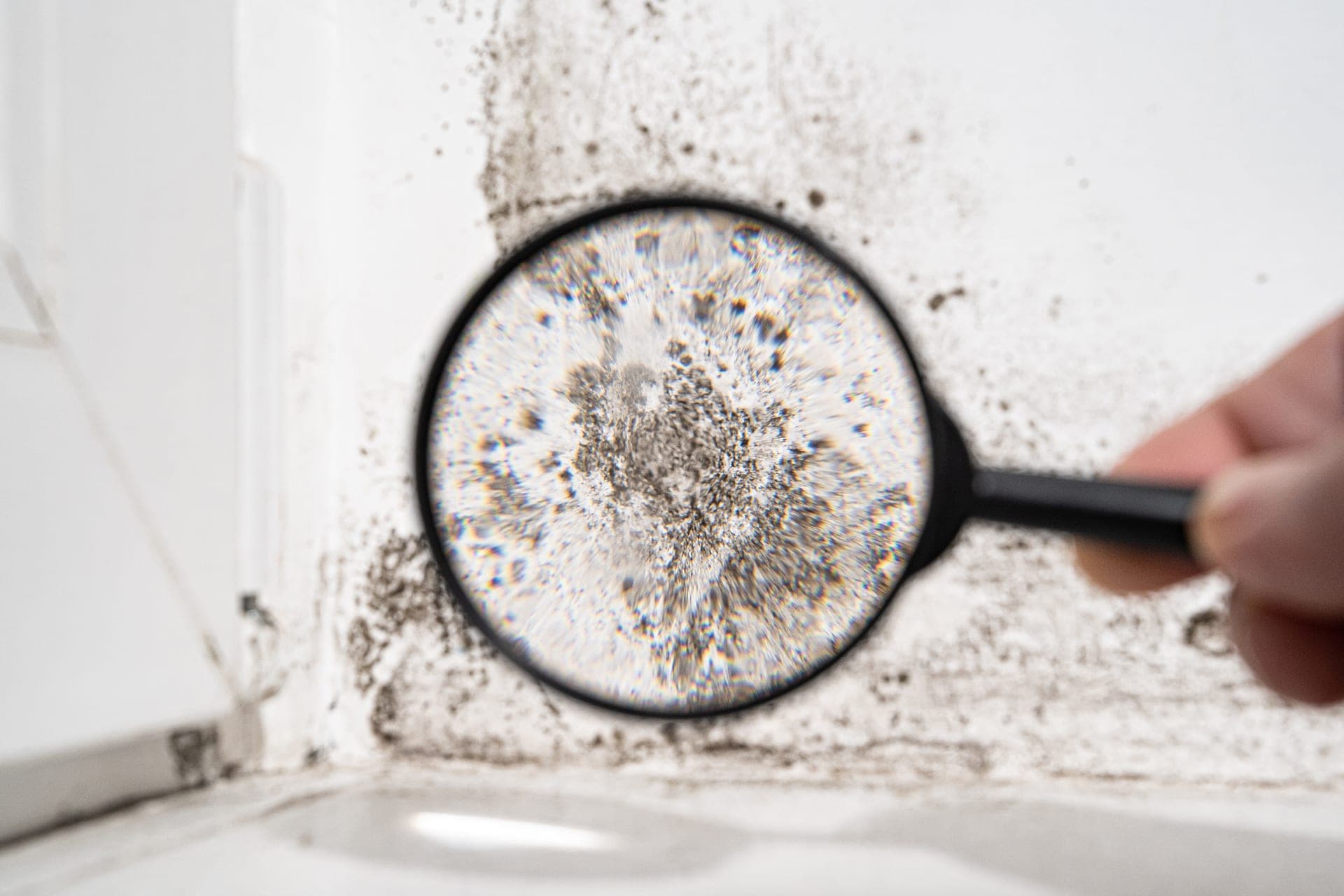
You walk into your basement and immediately notice it: that unmistakable musty smell. Or maybe you have spotted dark patches creeping across a bathroom ceiling. Perhaps allergy symptoms flare at home and ease when you leave for work.
If any of these scenarios sound familiar, you might be dealing with hidden or visible mold.
Mold is more than an aesthetic problem. It is a respiratory irritant, a property damage concern, and, when moisture is chronic, a sign that building assemblies may be wetter than they should be. In St. Louis, humid summers, sudden thunderstorms, and older foundations make mold an ordinary risk, not a rare one.
At Eagle Air, we help St. Louis homeowners eliminate mold safely through professional remediation. Here is what you should know before you grab a spray bottle from under the sink.
What Is Mold and Why Does It Grow?
Mold is a fungus that spreads by releasing microscopic spores. Spores are everywhere outdoors; problems begin when mold finds moisture, food, and time inside your envelope.
The Recipe for Indoor Mold
- Moisture. The non-negotiable ingredient. Common sources include foundation seepage, plumbing leaks, steamy bathrooms without adequate exhaust, dryer ducts that do not terminate outside, roof leaks, and chronic humidity above ~60%.
- Food. Mold digests organic dust, paper-faced drywall, wood, carpet adhesives, and textile fibers.
- Temperature. Indoor comfort bands (roughly 60 to 80°F) are ideal for many species.
Why St. Louis Homes Are Particularly Vulnerable
Our climate stacks the deck toward damp building cavities:
- Summer humidity drives condensation on cool ducts and rim joists.
- Older housing stock may lack modern drainage planes, capillary breaks, or crawlspace detailing.
- Finished basements add warmth and furnishings, without always adding moisture control.
- Temperature swings in spring and fall create intermittent condensation cycles on below-grade walls.
The Health Risks of Mold Exposure
Health impacts vary by individual sensitivity, species present, and exposure duration. Not everyone reacts the same way. That said, medical and public health guidance treats indoor mold growth as a contaminant to remove, not something to coexist with.
Common Symptoms
People exposed to elevated spore counts may notice increased asthma or allergy symptoms, sinus irritation, throat or eye irritation, headaches, fatigue, and skin irritation. Odor alone can trigger discomfort even when colonies are hidden.
Higher-Risk Occupants
Pay extra attention if anyone in the home is a young child, an older adult, immunocompromised, or living with chronic lung disease. Prompt remediation and moisture control matter most for these groups.
Why DIY Mold Removal Usually Fails
Bleach and consumer sprays can lighten stains on non-porous tile, but they do not reliably kill mold that has rooted into porous drywall, framing, or carpet pad. Worse, aggressive scrubbing without containment aerosolizes spores and can spread contamination into clean rooms.
Professional remediation follows protocols that prioritize occupant safety, spore containment, and verifiable removal, not just a surface that looks better for a week.
Professional Mold Remediation: The Eagle Air Process
Effective remediation is a sequence, not a single spray application:
- Inspection and assessment. Map affected materials, identify likely species categories (lab testing when needed), and document moisture sources.
- Containment. Isolate work zones with plastic barriers and negative air pressure so spores do not migrate.
- Air filtration. Run HEPA scrubbers during demolition and cleaning.
- Removal of non-salvageable materials. Bag and dispose of contaminated porous goods per local requirements.
- HEPA vacuuming and damp wiping. Clean salvageable framing and masonry once dry.
- Antimicrobial treatment. Apply appropriate products where specified by the remediation plan, not as a substitute for removal.
- Drying and dehumidification. Establish dry standards before rebuild; paint is not a moisture barrier.
- Moisture-source correction. Repair leaks, improve drainage, encapsulate crawlspaces, or adjust ventilation so mold does not return.
- Clearance testing (when applicable). Third-party or post-remediation verification for sensitive projects.
Skipping any step, especially drying and source control, is why “it came back after six months” stories are so common.
Insurance, Landlords, and Disclosure
Coverage for mold-related damage varies widely by policy and cause. Document everything with photos, dates, and moisture readings. Landlords and property managers should treat chronic tenant complaints as early warnings. Delayed response often expands the affected area and cost.
When to Call a Professional
Reach out for mold remediation if you see any of the following:
- Visible mold larger than a few square feet or spreading across multiple rooms
- Mold that returns after repeated DIY attempts
- Mold inside HVAC cabinets or flex ducts (do not run the system until evaluated)
- Musty odors with no obvious source, often wall cavities or subfloor
- Recent flooding, sewer backup, or slow leaks behind cabinetry
- Health symptoms that track time spent in specific zones of the home
After Remediation: Keeping Mold Gone
Long-term success is moisture management:
- Maintain indoor relative humidity near 40 to 55%
- Run bath and kitchen exhaust to the exterior
- Keep gutters and downspouts directing water away from foundations
- Regrade soil where splash-back wets rim joists
- Service HVAC condensate lines and humidifiers on schedule
What About “Fogging” or Spray-Only Treatments?
Fogging can supplement a remediation plan when specified by an industrial hygienist, but it does not replace removal of contaminated materials or drying wet assemblies. Be wary of quotes that promise a chemical-only fix for heavy colonization. Without physical removal, dead spores and fragments can still affect air quality. Always ask how the vendor will document moisture readings, contain the work area, and verify clearance before rebuild.
Get Help From a Local Team
Mold problems rarely shrink on their own. If you are tired of chasing spots with store-bought cleaners, or you need documentation for insurance or a home sale, start with a professional assessment. Early intervention almost always costs less than opening multiple walls later.
Contact Eagle Air for mold remediation in St. Louis, Jefferson County, Saint Francois County, and nearby Missouri communities. We combine containment discipline with practical moisture solutions so your home stays safer after we leave.